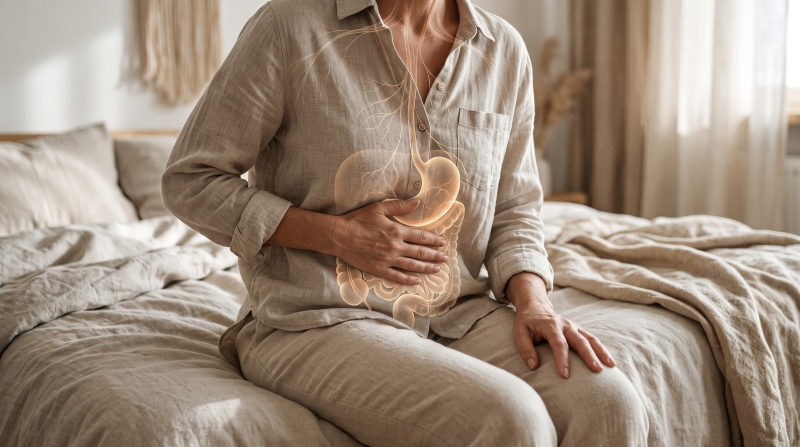
Salads for lunch. Oats for breakfast. A water bottle that never leaves the desk. And still, by mid-afternoon, the stomach feels tight and swollen. Sooner or later, a search for answers lands on the phrase "leaky gut."
Increased intestinal permeability, often called leaky gut, is most clearly linked to conditions that inflame or injure the intestinal lining. These include celiac disease, Crohn's disease and other inflammatory bowel diseases, gut infections, heavy alcohol use, frequent NSAID use, and chemotherapy or radiation. Diet, stress, sleep, and intense exercise play a smaller, more variable role.
So what causes a leaky gut, and how much do everyday habits really matter? "Leaky gut" describes increased intestinal permeability, when the gut lining lets more through than it should. "Leaky gut syndrome," however, is not an established standalone medical diagnosis. It usually shows up alongside another problem.
What Causes A Leaky Gut? Main Medical And Digestive Factors
The strongest evidence points to medical conditions and direct injury to the gut lining, not to any single food or habit.
How Chronic Inflammation Weakens The Gut Barrier
The intestinal lining is one cell thick, held together by protein seals called tight junctions. Long-term inflammation loosens those seals.
Celiac Disease, IBD, And Other Digestive Conditions
Several diagnosed conditions come with a well-documented rise in permeability:
- Celiac disease: gluten triggers an immune attack on the small intestine.
- Crohn's disease and ulcerative colitis: ongoing inflammation wears down the barrier
- Bacterial overgrowth: SIBO has also been linked with a more permeable small intestine.
Here's the part many wellness articles skip. In these diseases, increased permeability is usually a consequence of the condition, not its original cause. Treating the disease is what helps the barrier recover.
Gut Infections And Microbiome Changes
Stomach bugs can temporarily disrupt the intestinal barrier. Common culprits include:
- Bacteria such as Salmonella or Campylobacter
- Viruses like norovirus
- Parasites such as Giardia
For most people, the lining repairs itself within days or weeks. An imbalance in gut bacteria, known as dysbiosis, can also feed low-grade inflammation and raise permeability. Still, not every microbiome shift leads to a leaky gut.
Antibiotics And Gut Bacteria
A course of antibiotics can reduce microbial diversity for weeks. That's a reason to use them only when truly needed, not to refuse them.
NSAIDs, Chemotherapy, And Intestinal Injury
Frequent or long-term use of ibuprofen, naproxen, or aspirin can irritate the gut lining and increase permeability. Chemotherapy and abdominal radiation can also injure fast-growing intestinal cells.
Important: don't stop a prescribed medication because of gut worries. A doctor can adjust the dose or suggest safer options.
Which Leaky Gut Causes Have The Strongest Evidence?
Medical factors outrank popular "triggers" by a wide margin. The best-supported contributors are:
- Celiac disease and inflammatory bowel disease
- Gastrointestinal infections
- Frequent or prolonged NSAID use
- Chemotherapy and abdominal radiation
- Heavy or binge alcohol drinking
What Foods Cause Leaky Gut Or Affect Intestinal Permeability?
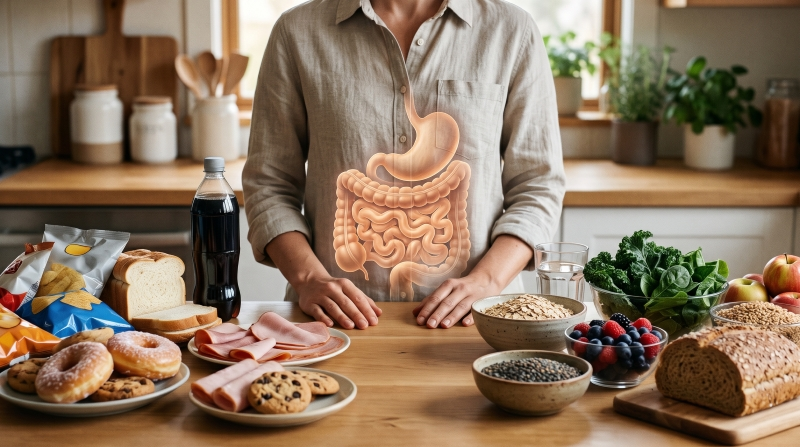
When people ask what foods cause leaky gut, the honest answer is that no single food is proven to harm a healthy gut. The overall eating pattern matters far more.
Highly Processed Foods And Low-Fiber Diets
Ultra-processed foods tend to be low in fiber and high in additives. Examples include:
- Packaged snacks and sweets
- Ready meals and instant noodles
- Processed meats like sausages and deli slices
- Sugary drinks and breakfast cereals
A 2025 review in Nutrients by Rondinella and colleagues linked diets heavy in these foods with lower microbial diversity, fewer protective bacteria like Akkermansia muciniphila, and weaker barrier function, with emulsifiers and some sweeteners flagged as likely culprits.
Fiber works the other way: gut bacteria turn it into butyrate, which feeds colon cells and supports tight junctions.
Excessive Sugar And Refined Carbohydrates
Added sugar and white flour don't punch holes in the gut. In large amounts, though, they can favor bacteria that thrive on simple sugars over fiber-loving species.
Gluten And Wheat-Based Foods
Gluten is where the evidence splits sharply:
- In celiac disease, it clearly damages the intestine.
- In lab studies, it prompts the release of zonulin, a protein that loosens tight junctions, even in tissue from people without celiac disease.
- In healthy people, there's no proof this causes lasting harm.
Some people who feel better without wheat are actually reacting to fermentable carbs (FODMAPs), not gluten.
Tip: test for celiac disease before going gluten-free, or results may be unreliable.
Dairy Products And Food Intolerances
Lactose intolerance causes bloating, gas, and diarrhea, but it's an enzyme shortage, not a damaged barrier. For adults who tolerate dairy, there's no strong evidence it raises permeability. Food intolerance and allergy testing can help clarify which foods deserve a closer look.
Alcohol And Its Effects On The Gut Lining
Alcohol sits much higher on the evidence ladder. Heavy or binge drinking can:
- Damage the intestinal lining directly
- Disturb the balance of gut bacteria
- Let bacterial toxins called endotoxins slip into the bloodstream
For the gut, less is clearly better.
How Do Lifestyle Habits Affect Intestinal Permeability?
Daily habits rarely damage the gut on their own, but they can make it more vulnerable, especially alongside a poor diet or an existing condition.
Chronic Stress And The Gut-Brain Connection
Under stress, hormones like cortisol can activate immune cells in the gut wall and loosen tight junctions. In a 2025 study of healthy adults in Scientific Reports, higher perceived stress went hand in hand with differences in gut microbial diversity.
Poor Sleep And Irregular Daily Routines
Gut bacteria and intestinal cells follow daily rhythms. Common rhythm disruptors include:
- Shift work
- Late-night eating
- Consistently short sleep
Most research here comes from animal or observational studies, so sleep is a likely rather than proven entry among leaky gut causes.
Excessive Exercise And Physical Stress
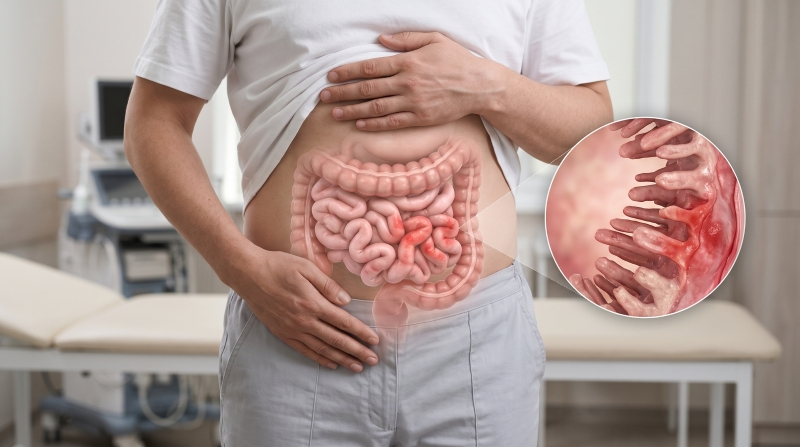
Moderate activity tends to support a diverse microbiome. Prolonged, intense exercise, especially in the heat, is a different story. Blood flow shifts from the gut to working muscles, briefly injuring the lining, and dehydration makes it worse.
How Can You Recognize Possible Signs Of Gut Problems?
Digestive symptoms say something is off, but they rarely say what. Complaints worth checking include:
- Bloating that keeps coming back
- Abdominal pain or cramping
- Diarrhea, constipation, or swings between the two
- Discomfort after specific foods
None of these specifically points to increased intestinal permeability.
Which Conditions Share The Same Digestive Symptoms?
Several conditions overlap with what people call leaky gut, so testing beats guessing.
Yutopia's guide on how IBS testing separates IBS from food intolerance covers one of the most common mix-ups.
When Should Gut Symptoms Be Checked By A Doctor?
Some symptoms call for prompt medical attention rather than diet experiments:
- Blood in the stool or black, tarry stools
- Unexplained weight loss
- Persistent vomiting
- Pain that wakes you at night
- New digestive symptoms after age 50
How Can Diet And Lifestyle Changes Support A Healthier Gut?
The habits that protect the gut barrier are surprisingly ordinary. Ask what foods cause leaky gut, and you'll get a list of things to cut, but the better question is what to add.
Food Habits That Support The Gut Barrier
- Eat a wide variety of plants: vegetables, fruit, legumes, and whole grains.
- Add fermented foods like yogurt, kefir, sauerkraut, or kimchi.
- Cut back on ultra-processed foods without chasing a perfect diet.
- Keep alcohol low and skip binge drinking.
Daily Habits That Protect Digestion
- Review frequent painkiller use with a doctor.
- Protect sleep with regular bed and wake times.
- Manage stress with walks, breathing exercises, or therapy.
- Train smart by building endurance gradually and staying hydrated in the heat.
Supplements like glutamine or spore-based probiotics may help in specific cases, but they're best chosen with professional guidance.
How Can Yutopia Care Help Address Leaky Gut Concerns?
Yutopia Care is a functional and integrative medicine clinic in Dubai that treats persistent digestive complaints as a puzzle with several pieces. Through its Leaky Gut Treatment program, the team reviews:
- Medical history and current symptoms
- Eating habits and food reactions
- Sleep, stress, and activity levels
- Medications and supplements
- Possible underlying conditions
Gut Testing And Personalized Nutrition Plans
Gut Testing at Yutopia helps narrow down which leaky gut causes apply to each person and whether celiac disease, IBD, or infection needs ruling out. Stool panels such as the GI-MAP look at gut bacteria, inflammation markers, and possible pathogens. Individualized nutrition plans and lifestyle support are then built around real findings.
Understanding What Affects Your Gut Health
So, what causes a leaky gut? The clearest answers are inflammatory digestive diseases like celiac disease and IBD, gut infections, intestinal injury from chemotherapy or radiation, frequent NSAID use, and heavy alcohol exposure. Food, stress, sleep, and exercise matter too, but more modestly.
If bloating or discomfort keeps returning despite a "healthy" diet, it's worth finding out why. Booking a gut health assessment at Yutopia Care is a practical first step toward clear answers and a plan that fits.
Frequently Asked Questions
Is leaky gut a real medical condition?
Increased intestinal permeability is real and measurable, especially in celiac disease, IBD, and some infections. "Leaky gut syndrome" as a standalone diagnosis, however, isn't recognized in mainstream medical guidelines.
Can stress alone cause a leaky gut?
Stress can briefly loosen the gut barrier and shift gut bacteria, but in healthy people it rarely acts alone. It usually adds to other factors, like poor sleep or an existing condition.
How long does it take for the gut lining to heal?
Intestinal lining cells renew every few days, so minor irritation can settle quickly. Recovery from celiac disease or IBD often takes months and depends on treating the condition.
Is coffee bad for leaky gut?
There's no good evidence that moderate coffee damages the gut barrier. It can trigger reflux in some people, though.
How do doctors check for leaky gut?
Sugar absorption tests and zonulin are mostly research tools. Doctors usually test for the conditions behind the symptoms instead, such as celiac disease, IBD, or infections.