Yes, a toxicity test can detect certain harmful substances or their byproducts – but only when the right test is matched to the right exposure. There is no single toxicity test that screens for every toxin at once. A blood toxicity test, a urine panel, and a hair mineral test each target a different group of substances, and results still need to be read alongside symptoms and exposure history to mean anything clinically.
Fatigue that won't lift after a full night's sleep. Headaches with no clear trigger. Brain fog that makes simple tasks feel heavier than they should. More people are turning toward toxicity testing over complaints like these, especially when standard bloodwork looks "normal," yet symptoms persist. Digestive issues and known contact with mold or chemicals raise the same question: is something toxic building up in the body?
The confusion usually starts because "toxicity test" isn't one lab order – it's a broad label covering dozens of tests, each built to look for a specific substance, not a single panel expected to catch everything.
What Is A Toxicity Test?
A toxicity test is an umbrella term for lab work that identifies a particular substance, its metabolites, or the biological changes linked to exposure. It's not one blood draw – it's a category of dozens of distinct methods, each built around a specific suspected toxin.
There Is No Single Test For Every Toxin
Testing gets selected according to the suspected exposure, not ordered as one broad panel expected to flag everything. A doctor typically narrows the list based on symptoms and history, then chooses testing for toxicity that matches it. Common categories include:
- Heavy-metal testing – lead, mercury, arsenic, cadmium, and similar elements
- Mold or mycotoxin testing – biomarkers linked to specific fungal toxins, the focus of Yutopia's mold exposure treatment program in Dubai
- Environmental chemical testing – pesticides, solvents, PFAS, and other industrial compounds
- Standard blood tests – liver, kidney, and blood-cell markers reflecting the effects of exposure, not the toxin itself, often run as part of a comprehensive blood test
What Does "Toxicity" Mean In This Context?
Three ideas get bundled together, and pulling them apart matters:
- Exposure – a substance has contacted the body
- Body burden – the amount retained in tissues over time
- Toxic effect – the exposure is producing measurable, clinical harm
Finding a chemical in blood or urine confirms exposure – it doesn't prove it's causing symptoms. Dose, timing, individual susceptibility, and how efficiently the body eliminates a substance all decide whether exposure becomes a real toxic effect.
Can A Toxicity Test Actually Detect Harmful Substances In The Body?
Yes, within limits. A properly chosen toxicity test can detect measurable levels of a targeted substance using validated methods like mass spectrometry and immunoassays. What it can't do is act as a catch-all scan.
Each method is built to test toxicity from a specific angle: a heavy-metal panel won't catch a mold-related mycotoxin, and a mycotoxin panel says nothing about pesticide exposure. That narrow focus helps accuracy but limits anyone hoping for one universal answer – which is exactly why Yutopia's toxicity testing service starts with an exposure history before choosing a panel.
What Harmful Substances Can Toxicity Testing Look For?
This is where toxicity testing earns its keep, since narrowing the target substance is what makes results interpretable.
Heavy Metals
Heavy-metal testing looks for lead, mercury, arsenic, cadmium, and less-discussed metals like aluminum and thallium. A blood toxicity test is often the starting point, since it reflects recent exposure well for several metals:
- Lead – old paint, contaminated soil, some ceramics and cosmetics
- Mercury – certain fish, older dental amalgams, some skin-lightening products
- Arsenic – contaminated groundwater, certain pesticides, some rice products
- Cadmium – cigarette smoke, batteries, select industrial processes
These are the same markers a 2025 study in Clinical Chemistry and Laboratory Medicine used to build reference ranges from over 150 healthy young adults with no occupational exposure – mercury and chromium showed up most often even without an obvious source, a reminder that background exposure needs a proper reference range rather than a flat cutoff.
Mold-Related Toxins
Mold-related testing looks for mycotoxins or antibodies suggesting an immune reaction to mold, and it's a more contested category than heavy-metal testing. A few things worth knowing before ordering one:
- Urine mycotoxin panels are widely marketed, yet there is no FDA-approved test for mycotoxins in human urine
- Validated reference ranges for these markers still don't exist for the general population, according to 2024 guidance from the U.S. Navy and Marine Corps Force Health Protection Command
- A positive result should sit alongside a full clinical picture, not stand alone as a diagnosis
That doesn't make mold exposure irrelevant to health – it means results deserve caution, which is why the mold exposure recovery program at Yutopia pairs testing with a full symptom and home-exposure review.
Environmental Chemicals And Pollutants
This category covers substances found in air, water, food, and household products, usually measured as the parent chemical or its metabolite:
- PFAS ("forever chemicals") from non-stick cookware and water-resistant fabrics
- Phthalates from plastics, fragrances, and personal care products
- Pesticide residues from produce and lawn or pest treatments
- Solvents and VOCs from paints, cleaning products, and new furnishings
A 2024 biomonitoring study in the Journal of Exposure Science and Environmental Epidemiology measured trace elements and heavy metals in urine across children, teens, and young adults, finding detectable levels across nearly every age group tested – a sign of how common low-level exposure already is before symptoms appear. Because exposure is so widespread, one positive result says little alone.
Other Toxic Exposures
A smaller group of tests covers carbon monoxide exposure, solvent byproducts, or medication and supplement levels that have crossed into a toxic range – usually ordered once a specific exposure is already suspected rather than as routine screening.
Blood Vs Urine Vs Hair: Which Toxicity Test Is Best?
So which sample type wins? None, outright – each answers a different question. A blood toxicity test reflects what's circulating now, urine reflects what's being actively cleared, and hair offers a longer window for a narrower list of substances.
None of these work well alone. Clinicians often pair a targeted panel with a comprehensive blood test, weighing one number against how the liver and kidneys are actually functioning.
How Does Toxicity Testing Work?
The process follows a fairly consistent sequence, whatever the suspected substance:
- Exposure and symptom assessment – symptoms, occupation, living conditions, and any suspected contact with a toxic substance get reviewed before anything is ordered
- Selecting the appropriate toxicity test – a specific panel gets chosen (heavy metal, mold-related, chemical, or a combination) during an initial consultation, since labs test toxicity using different technologies and sample types
- Sample collection – blood, urine, or hair is collected depending on the substance and the exposure window that matters most
- Laboratory analysis – samples are processed with validated methods, such as mass spectrometry, to quantify the target substance
- Clinical interpretation – results are compared against reference ranges and read alongside symptoms, where a number becomes clinically meaningful or gets ruled out as noise
When Should Someone Consider Testing For Toxicity?
Testing for toxicity is usually worth considering when symptoms persist despite normal bloodwork, or when there's a known exposure source. Common situations include:
- Ongoing fatigue, brain fog, or burnout without another clear cause
- Known exposure to mold, lead paint, contaminated water, or industrial chemicals
- Occupational exposure in mining, manufacturing, or renovation work
- Digestive symptoms that don't respond to standard treatment
- New neurological symptoms following a specific exposure event
Symptoms Sometimes Associated With Toxic Exposure
Neurological Symptoms
- Brain fog and difficulty concentrating – a symptom with several possible drivers beyond toxic exposure, including hormones, sleep, and stress
- Headaches and tremors
- Memory difficulty and mood changes
Digestive Symptoms
- Nausea and bloating
- Appetite changes
- Irregular bowel patterns, sometimes worth investigating alongside a GI-MAP stool test
General And Systemic Symptoms
- Persistent fatigue and low energy
- Joint pain
- Skin changes
Respiratory Or Allergy-Like Symptoms
- Chronic cough and sinus irritation
- Allergy-like reactions, more common with mold and airborne chemicals than with metals taken in through food or water
How Accurate Is A Toxicity Test?
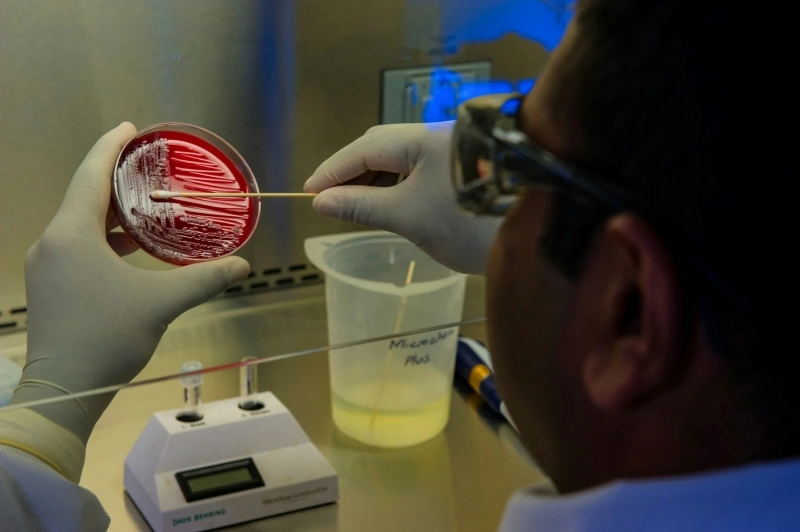
Accuracy depends on the method and how well it matches the suspected exposure. Heavy-metal panels processed by accredited labs using mass spectrometry are generally reliable for what they measure. Some mold-related urine panels, particularly older antibody-based methods, draw more scrutiny, since results are hard to validate against a clear standard – the same logic that applies to reading organic acid test markers, which mean little without clinical context either. No single method can test toxicity with complete certainty across every substance. For most people, testing for toxicity is worth pursuing only when there's a specific, plausible exposure, not as routine screening "just in case."
Can A Toxicity Test Tell You If Harmful Substances Are Present?
A toxicity test can detect certain harmful substances or their metabolites, provided the correct test is matched to the suspected exposure. There is no single universal toxicity test that screens for every toxin in one panel – heavy-metal, mold-related, and chemical panels each target something different.
Blood, urine, and hair testing serve different purposes with different limitations, which is why the comparison above matters more than picking whichever sample sounds familiar. Detecting a substance is never the same as proving it caused someone's symptoms – that needs clinical judgment, a full exposure history, and often more than one test working together.
Yutopia's toxicity testing service in Dubai starts from that principle: testing gets chosen based on a person's actual history, not ordered as a blanket panel, and results feed into a broader plan.
Frequently Asked Questions
What is a toxicity test used for?
It checks whether a specific substance or a related marker is present in the body, usually due to suspected exposure or persistent symptoms.
How do I know if I need a toxicity test?
Persistent symptoms without another explanation, a known exposure source, or occupational contact with chemicals or metals are the usual reasons a clinician recommends testing.
Can a toxicity test detect every toxin in the body at once?
No single panel screens for everything. Each toxicity test targets a specific substance or group, matched to the suspected exposure.
Is a blood toxicity test more accurate than a urine test?
Neither is automatically more accurate. Blood tends to reflect recent exposure, while urine reflects what's being eliminated – the better fit depends on the substance in question.
How long does it take to get toxicity test results?
Turnaround varies by lab, but most heavy-metal and chemical panels return results within several days to about two weeks.