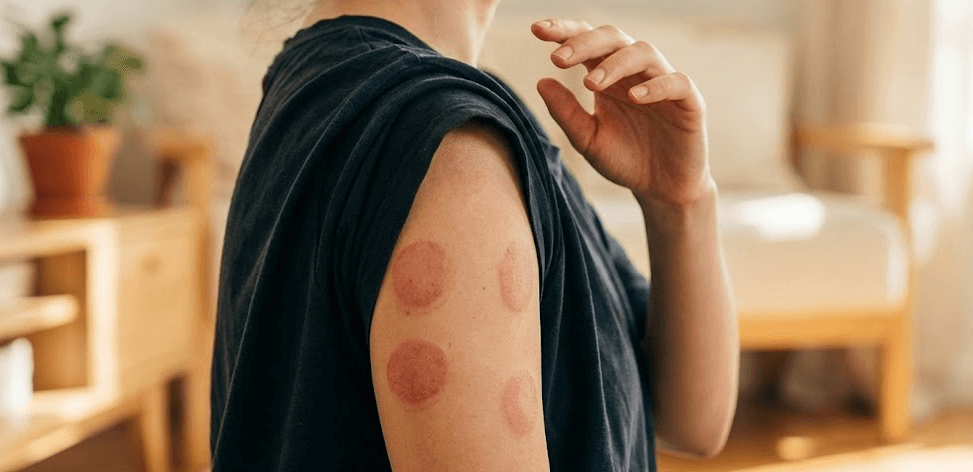
Hijama cupping therapy often comes up when someone is tired of living with constant tension or pain and wants to understand if there is something gentle yet effective that might help. Between personal stories and bold claims online, it can be difficult to tell what hijama actually does and what expectations are realistic.
Setting the Context: Why Hijama Deserves a Closer Look
People usually don’t start looking into hijama cupping therapy out of curiosity alone. More often, it happens after weeks or months of discomfort. Maybe your neck always feels tight, your lower back flares up after sitting too long, or recovery from workouts feels slower than it used to be. When pain becomes part of daily life, it is natural to look for options that feel more hands-on and personal.
Hijama is often described in very powerful terms. You might hear that it cleans the blood, releases toxins, or resets the body. These ideas can sound comforting, especially when nothing else seems to work. But they can also make hijama feel mysterious or intimidating.
A calmer way to approach the topic is to look at hijama cupping therapy benefits from what research and clinical practice actually suggest. That does not mean dismissing traditional experiences, but it does mean separating what people feel from what the body is known to do.
Understanding Hijama in Practice and Evidence
What Is Hijama Cupping Therapy?
Hijama is a type of wet cupping. Unlike dry cupping, which uses suction only, hijama involves making very small, shallow cuts on the skin after suction is applied. This allows a small amount of blood to come out from the surface layers of the skin. Because of this step, hijama requires more care, hygiene, and proper training than dry cupping.
A typical session starts quietly and slowly. The skin is cleaned, cups are placed, and suction is applied. After a short pause, the cups are removed, light incisions are made, and suction is briefly reapplied. The whole process usually takes less than an hour.
Most people say it feels unusual rather than painful. There is strong pressure and pulling, especially in areas that are already tight. Afterwards, round marks and mild soreness are normal and expected.
From a medical point of view, hijama works through local effects in the tissues. These include temporary changes in blood flow, relaxation of tense muscles, and short-term changes in how pain signals are perceived. A detailed medical explanation of these mechanisms and safety considerations is outlined in clinical guidance on cupping therapy, which helps frame hijama in practical rather than mystical terms.
Hijama Cupping Therapy Benefits: What Evidence Suggests
Pain Relief and Muscle Tension
For most people, pain relief is the main reason to consider hijama. Research has explored its use for neck pain, lower back discomfort, muscle tightness, and post-exercise soreness. Some people report that shortly after treatment, their body feels looser and movement feels easier.
This kind of relief is usually explained by muscle relaxation and temporary changes in pain perception. Hijama does not repair injuries or correct posture, but it may calm irritated tissues enough to reduce discomfort for a while.
Because of this, hijama tends to make the most sense when it is part of a bigger picture, rather than the only thing someone relies on.
Inflammation and Immune-Related Claims
Inflammation is often mentioned when people talk about hijama, but this is also where expectations can drift too far. Research in this area is limited and inconsistent. While short-term changes have been observed, there is no solid evidence that hijama treats inflammatory or immune-related diseases.
This matters because people with ongoing or complex conditions still need proper medical guidance. Hijama should not be seen as a substitute for that care.
Circulation and Skin-Related Effects
After hijama, the skin often shows dark or red circular marks. Some people see these marks as proof that something harmful has left the body.
In reality, these marks reflect how small blood vessels respond to suction and mild tissue stress. Blood flow may increase briefly in the treated area, but there is no strong evidence of long-term circulatory change. Knowing this helps keep expectations grounded and prevents overinterpretation.
Risks, Side Effects, and Who Should Avoid Hijama
Common Side Effects
When hijama is done correctly, side effects are usually mild and temporary. Many people notice:
- Bruising or tenderness where the cups were placed
- Mild skin irritation while the skin heals
- Feeling tired or slightly drained later that day
These effects usually fade within a few days.
Serious Risks
More serious problems can occur if hijama is done without proper hygiene or training. Infection is the biggest concern if sterile techniques are not followed. Excessive bleeding, scarring, and fainting reactions have also been reported.
This is why hijama should only be performed by trained professionals who follow strict hygiene standards.
Contraindications and High-Risk Groups
Hijama is not suitable for everyone. People with bleeding disorders, those taking blood-thinning medication, or individuals with anemia should avoid it or speak with a healthcare professional first. Extra caution is also needed during pregnancy and for people with diabetes, weakened immune systems, active skin infections, or slow wound healing.
Choosing a Safe Hijama Provider
The experience of hijama depends greatly on who performs it. A responsible provider should take time to ask about medical history, explain the procedure clearly, and discuss aftercare in simple terms.
It is reasonable to ask about:
- Training and experience specifically with wet cupping
- Use of sterile, disposable tools for every session
- Clear guidance on wound care and warning signs
In some clinics, hijama is offered alongside other approaches such as physiotherapy and osteopathy, especially when pain or stiffness affects movement and daily function. In regulated healthcare settings, hijama cupping therapy in Dubai is typically delivered under professional standards, which helps reduce risks and supports safer outcomes.
Pulling the Evidence Together
When looked at honestly, hijama cupping therapy may help some people manage short-term pain and muscle tension. Its effects are supportive, not curative. For some, it creates a brief sense of relief that makes everyday movement or rehabilitation feel more manageable.
At the same time, its limits are clear. Hijama does not detoxify the body, cure disease, or replace medical treatment. Understanding where it fits - and where it does not - helps people approach it calmly rather than desperately.
A balanced view allows hijama to be one option among many, not something people rely on for answers it cannot provide.
Conclusion
Hijama cupping therapy sits between traditional and modern complementary care. Research suggests it can offer temporary relief for certain types of pain and muscle tension when performed correctly and for appropriate reasons. However, its benefits are limited and should not be overstated.
Making informed decisions means understanding both what hijama can help with and where it falls short. It should never replace medical evaluation, especially when symptoms are persistent or worsening. When approached with proper screening, hygiene, and realistic expectations, hijama can be used safely as part of a broader, evidence-based approach to health and recovery.


