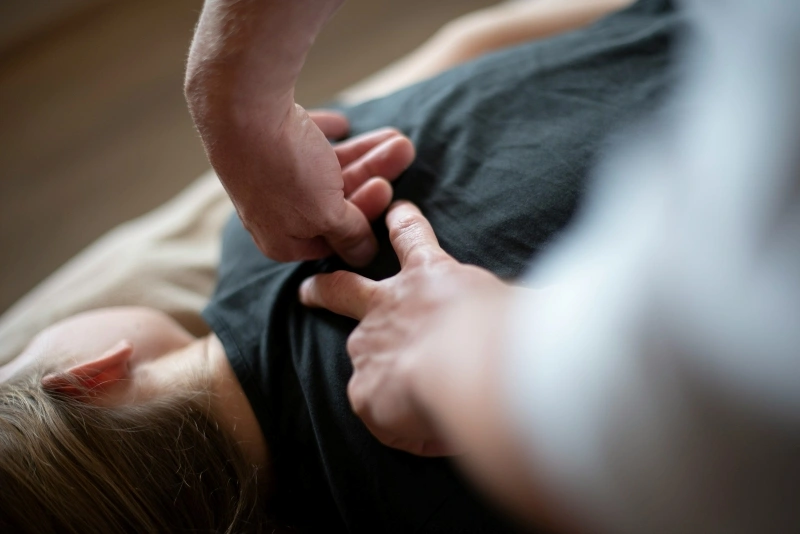
Osteopathy and physiotherapy are both hands-on treatment approaches used for pain, stiffness, and restricted movement, but they start from different points. Osteopathy looks at the body as a connected whole and often treats areas away from the painful spot, using joint techniques, myofascial work, and sometimes cranial or visceral approaches. Physiotherapy focuses more directly on restoring movement and strength through manual therapy combined with progressive exercise and rehabilitation. Patients in Dubai often get the clearest answer by booking an assessment with a clinic that offers both osteopathy and physiotherapy under one roof.
Anyone dealing with a stiff neck, a nagging shoulder, or a back that won't settle down has probably come across both terms. Both fields use their hands, both ask about posture and daily habits, and both aim to get people moving comfortably again – which is exactly why the choice feels confusing.
Osteopathy Vs Physiotherapy At A Glance
Here's a short osteopathy vs physiotherapy comparison table covering the points patients ask about most.
This table is a starting point, not a strict rulebook. Individual practitioners often blend techniques from both fields, so two people with the same complaint may end up with fairly different treatment plans depending on who they see.
What Is Osteopathy?
Osteopathy is a hands-on approach that looks at how different parts of the body affect one another, rather than treating the sore spot on its own.
The Main Principle Behind Osteopathic Treatment
An osteopath pays close attention to joints, muscles, fascia, posture, and how these structures relate to each other. Rather than examining only the painful area, the assessment often stretches to nearby regions that might be contributing – a stiff rib, a tight hip, a rounded upper back. Yutopia's osteopathy programme builds on this idea, aiming to restore balance across muscles, joints, and the nervous system rather than treating a single spot in isolation.
What An Osteopath Evaluates
A typical osteopathic assessment usually covers:
- General posture and spinal alignment
- Joint mobility throughout the body, not just at the painful site
- Muscle and fascia tension patterns
- Breathing mechanics and rib movement
- Organ motion and nervous system patterns
- Everyday habits – sitting, driving, sleeping position – that affect the body over time
A Few Common Osteopathic Techniques
- Gentle joint manipulation
- Craniosacral therapy
- Myofascial release
- Visceral (organ) manipulation
- Postural balancing techniques
What Is Physiotherapy?

Physiotherapy is built around restoring movement, physical function, strength, and the ability to get back to daily tasks or sport without pain.
The Main Principle Behind Physiotherapy
The emphasis here sits firmly on rehabilitation rather than passive treatment alone. A physiotherapist usually combines hands-on work – mobilisation, soft-tissue release, stretching – with a structured, progressive exercise plan, an approach laid out in Yutopia's physiotherapy. The manual therapy calms things down short-term, while the exercise builds lasting strength.
What A Physiotherapist Evaluates
A physiotherapy assessment generally looks at:
- Posture and daily movement habits
- Joint mobility and range of motion
- Muscle strength and imbalances
- Nerve tension
- Movement patterns during specific tasks, like squats or stairs
A Few Common Physiotherapy Techniques
- Manual physiotherapy and joint mobilisation
- Deep tissue and trigger-point release
- Posture correction
- Core and glute activation exercises
- Massage therapy integration
Osteopathy Vs Physiotherapy Differences In Assessment
The clearest osteopathy vs physiotherapy differences usually show up before any treatment even begins, right at the assessment stage.
Osteopathic Assessment Looks Beyond The Painful Area
An osteopath may check the relationship between posture, spinal mobility, the pelvis, fascia, and breathing mechanics, even when the complaint is limited to one joint. Shoulder discomfort, for example, might prompt a closer look at the thoracic spine, ribs, neck, and general posture rather than the shoulder alone.
Physiotherapy Assessment Focuses Heavily On Functional Deficits
A physiotherapist tends to zero in on measurable limitations: weakness, poor movement control, reduced range of motion, or altered mechanics during a specific task. Knee pain, for instance, might lead to checking hip strength, gait, ankle mobility, and how the knee behaves during a squat or on stairs.
Why Both Approaches Can Still Overlap
In practice, plenty of osteopaths use functional testing, and plenty of physiotherapists look beyond the painful joint. A 2025 University of Plymouth study, which interviewed UK physiotherapists and osteopaths about managing chronic low back pain, found both groups shared several management priorities, and that patient confusion often comes from just how much the two approaches overlap. The formal osteopathy vs physiotherapy comparison on paper is cleaner than what happens in a real clinic room.
Osteopathy Vs Physiotherapy Comparison Of Hands-On Techniques
Technique is where the osteopathy vs physiotherapy comparison gets the most attention, since both fields rely heavily on manual work.
Joint Mobilisation And Manipulation
Both professions use joint mobilisation to ease stiffness and restore range of motion. Osteopaths more often add manipulation aimed at several joints in one session, while physiotherapists tend to target the specific joint linked to the complaint. A 2025 analysis comparing UK physiotherapists, osteopaths, and chiropractors over 20 years found that how often each profession uses spinal mobilisation and manipulation has shifted since 2003, with some gaps between professions narrowing over time – a pattern that lines up with what many multi-disciplinary clinics see day to day.
Soft-Tissue And Myofascial Treatment

Both fields use soft-tissue work to ease tension and improve circulation in tight muscles. At Yutopia, the osteopathy programme includes cranial, craniosacral, and visceral techniques, which go further than standard soft-tissue release by addressing tension linked to the nervous system and internal organs. Some patients also add cupping therapy alongside either treatment for extra soft-tissue relief.
Corrective Exercise And Strength Training
Physiotherapy usually places more weight on structured, progressive exercise as the main driver of long-term improvement, including core and glute activation work, while osteopathy tends to use exercise as a supporting piece alongside hands-on treatment.
Which Conditions Are Commonly Managed With Osteopathy?
Osteopathy tends to suit conditions where whole-body tension, alignment, and mobility play a noticeable role.
Back And Neck Discomfort
Tension that builds up gradually, rather than from a single injury, often responds well to whole-body osteopathic work.
Headaches And Tension Related To Musculoskeletal Factors
Restrictions in the neck, jaw, or upper back can contribute to recurring headaches that don't have an obvious single cause.
Mobility And Postural Restrictions
Long hours at a desk or in a car can gradually reduce mobility in the hips, spine, and shoulders, which osteopathic techniques aim to release.
Which Conditions Are Commonly Managed With Physiotherapy?
Physiotherapy is generally the go-to option when there's a clear injury, a strength deficit, or a specific rehabilitation goal to work toward.
Sports Injuries
Recovery from sprains, strains, and overuse injuries usually relies on a structured rehabilitation plan alongside hands-on treatment.
Chronic Musculoskeletal Pain
Long-standing pain linked to weakness or poor movement patterns often improves with a progressive, physiotherapy-led strengthening programme.
Rehabilitation After Injury Or Surgery
Regaining strength and range of motion safely after an injury or procedure is one of physiotherapy's core roles.
Posture And Movement Problems
Poor movement habits picked up over months or years respond well to retraining specific muscle groups and movement patterns.
Signs It Might Be Time To Book An Assessment
A few common signs suggest it's worth getting a professional opinion rather than waiting it out:
- Pain or stiffness that has lasted more than two to three weeks
- Discomfort that keeps coming back after periods of feeling fine
- Reduced range of motion that's starting to affect daily tasks
- Pain that spreads from one area to a nearby joint or muscle group
- Difficulty returning to normal exercise, sport, or work activity
Which Is Better: Osteopathy Or Physiotherapy?
There's no single winner in the osteopathy vs physiotherapy debate – the right fit depends on the person, the condition, and the goal.
Osteopathy May Be Worth Considering When…
- A whole-body assessment feels more relevant than a single-joint focus
- Stiffness or a general lack of mobility is the main complaint
- Symptoms seem connected to posture or broader structural tension
- A gentler, more hands-on style of treatment is preferred
Physiotherapy May Be Worth Considering When…
- Recovery from a specific musculoskeletal injury is the priority
- Strength or movement control has clearly declined
- Getting back to exercise or sport is the main goal
- Rehabilitation needs a progressive, structured exercise plan
- Preventing recurrence through movement retraining matters most
How Yutopia Approaches Osteopathy And Physiotherapy In Dubai
Yutopia offers both osteopathy and physiotherapy and pain management under one roof in Dubai, which removes a lot of the guesswork from this decision.
A Shared Starting Point: Assessment First
Rather than asking patients to pick blindly, the team at Yutopia assesses posture, mobility, strength, and daily habits first, then recommends whichever approach – or combination of the two – fits the actual complaint.
Two Paths, One Practice
For a stiff, tension-heavy pattern, treatment might start with osteopathy's structural and myofascial techniques. For a sports injury or a strength deficit, physiotherapy's rehabilitation-focused programme is usually the starting point. Because both services sit within the same practice, the plan can shift as recovery progresses instead of locking a patient into one label.
Choosing Between Osteopathy And Physiotherapy
The main osteopathy vs physiotherapy differences come down to focus and method. Osteopathy generally leans toward whole-body structural relationships, mobility, and hands-on techniques that look beyond the painful area.
Physiotherapy typically puts more weight on movement restoration, strength, and progressive exercise as the path back to full function. Neither approach replaces the other, and for many patients, a bit of both works better than sticking rigidly to one label. Speaking with a practitioner who understands both fields – and can assess which one actually fits the complaint – usually beats trying to work it out alone.
Frequently Asked Questions
What is the main difference between osteopathy and physiotherapy?
Osteopathy generally takes a whole-body view, looking at how posture, joints, and fascia across the body relate to the painful area. Physiotherapy focuses more directly on restoring movement, strength, and function through hands-on treatment paired with structured exercise.
Can osteopathy and physiotherapy be used together?
Yes. Many patients combine both, especially when a hands-on approach helps reduce tension early on while a progressive exercise plan builds strength and prevents the problem from coming back.
Which is better for lower back pain, osteopathy or physiotherapy?
Both are commonly used for lower back pain, and the better fit depends on the cause. General stiffness and postural tension often respond well to osteopathy, while pain linked to weakness or a specific movement dysfunction tends to suit a physiotherapy-led rehabilitation plan.
Do you need a referral to see an osteopath or a physiotherapist?
In most cases, no referral is needed to book an initial assessment with either an osteopath or a physiotherapist, though it's worth checking with the clinic and, if relevant, with an insurance provider beforehand.
Is osteopathy or physiotherapy better for sports injuries?
Physiotherapy is usually the primary choice for sports injuries because of its strong rehabilitation and strength-building focus, though osteopathy can support recovery by addressing tension and alignment issues that affect performance.