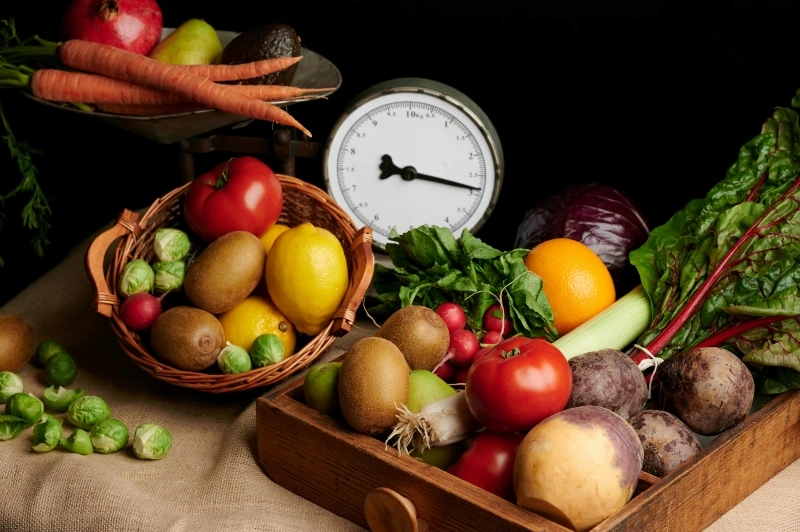
Not always. A well-planned nutrient-dense diet supplies most of the vitamins and minerals a healthy adult needs, and food should always come first. Gaps still appear when meals lack variety, when food groups are cut out, when needs rise during pregnancy or later life, or when the gut absorbs nutrients poorly. Vitamin D, B12, iron, folate, and magnesium are the usual suspects. The only way to know for sure is to look at diet, symptoms, and, where it makes sense, a blood test.
When A Healthy Plate Still Leaves You Running On Empty
A bowl of spinach, chickpeas, seeds, and grilled salmon looks like a nutrition textbook on a plate. It can still miss something. Plenty of people eat this way and still notice:
- an afternoon energy crash that coffee barely touches
- workouts that feel heavier than they should
- more hair in the brush than usual
Tiredness has many possible triggers, covered in Yutopia's guide to common reasons people feel tired, but nutrition is the one most people overlook.
Why Good Food Doesn't Always Mean Enough Vitamins
Healthy eating and complete nutrition overlap, but they are not the same thing. Nutrient-dense foods build the base, while the final result depends on variety, personal needs, and how well the body absorbs what it eats.
Sunny Dubai is a good example. A July 2025 systematic review of apparently healthy people in the UAE found an average adult vitamin D level of about 17.6 ng/mL, below the common 20 ng/mL deficiency cut-off. The authors pointed to limited time outdoors, covering clothing, darker skin, and diet.
What Is A Nutrient-Dense Diet And Why Does It Matter?
In plain terms, it is an eating pattern built mostly from foods that give a lot of vitamins and minerals for the calories they carry.

What Makes A Food Nutrient-Dense?
Nutrient density compares what a food delivers with what it costs in calories. A boiled egg and a plain biscuit carry roughly the same energy, yet the egg brings protein, B12, choline, and selenium, while the biscuit offers mostly refined flour and sugar. Good examples include:
- Leafy greens for folate, vitamin K, and magnesium
- Berries for vitamin C and plant compounds
- Eggs for B12, choline, and a little vitamin D
- Beans and lentils for iron, zinc, folate, and fiber
- Oily fish like salmon and sardines for vitamin D and omega-3 fats
- Nuts and seeds for vitamin E, magnesium, and zinc
- Fortified dairy or plant milks for calcium, vitamin D, and often B12
Nutrient Density Is Not The Same As Eating Less
Cutting calories hard makes vitamin and mineral targets very difficult to hit, no matter how clean the food looks.
Can Healthy Eating Alone Meet All Your Vitamin Needs?
Variety does most of the heavy lifting, but targets are personal. Recommended Dietary Allowances (RDAs) and Adequate Intakes (AIs) shift with age, sex, pregnancy, and breastfeeding. A woman in her thirties needs 18 mg of iron a day, for example, while a man the same age needs 8 mg.
Even expert-designed menus can come up short. A November 2025 modelling study in Frontiers in Nutrition built four guideline-based weekly menus, including a Mediterranean one. All met protein and most micronutrient targets, yet every menu fell short on vitamin D and iodine.
So for anyone asking what a nutrient-dense diet is, the honest answer is this: it raises the odds, but it does not promise every target is met.
Which Vitamins And Minerals Should Your Nutrient-Dense Diet Provide?
A few nutrients come up short far more often than the rest, even in people who eat well.
Vitamin B12 For Nerve Function And Red Blood Cell Formation
B12 keeps nerves healthy and helps make red blood cells. It occurs naturally almost only in animal foods. A 2026 study in Nutrients found that vegans ate more fiber and folate than meat-eaters, yet none met the B12 recommendation from food. Low levels may show up as:
- ongoing tiredness
- tingling in the hands or feet
- poor focus or memory
Vitamin D For Bone And Muscle Health
Vitamin D helps the body absorb calcium and keeps muscles working. Few foods hold much of it beyond oily fish, egg yolks, and fortified milk, so most people rely on sunlight. In the same 2026 study, 97% of vegans fell short on dietary vitamin D.
Folate And Other B Vitamins For Normal Cellular Function
Folate helps cells divide and build DNA, which makes it vital before and during pregnancy. Leafy greens, legumes, and avocado are reliable sources, while whole grains, eggs, and seeds cover most other B vitamins.
Vitamin C, Vitamin A, And Vitamin E For Everyday Health
These three are usually the easiest to cover:
- Vitamin C: citrus, peppers, kiwi, berries
- Vitamin A: carrots, sweet potato, leafy greens, eggs
- Vitamin E: nuts, seeds, plant oils
The catch? A and E are fat-soluble, so a salad with fat-free dressing delivers less of them than one with olive oil.
Iron, Calcium, Magnesium, And Zinc: Important Nutrients Beyond Vitamins
Minerals matter just as much, especially in plant-heavy or restricted eating.
Quick tip: plant iron is absorbed less well than iron from meat, so add lemon to lentils or peppers to beans.
Why Your Gut Matters As Much As Your Plate
Eating the right foods is only half the story, because the body still has to absorb them. Common reasons absorption drops include:
- gut conditions such as coeliac disease, IBD, or SIBO
- long-term use of metformin or acid-reducing medicines
- lower stomach acid with age, which affects B12
- a history of weight-loss surgery
When digestive symptoms sit alongside fatigue, gut testing can show whether absorption is part of the problem.
How Can You Build Nutrient-Dense Meals That Cover More Vitamins?
The secret is smart combinations, not trendy superfoods.
Combine Different Food Groups In Every Main Meal
A simple plate template works well:
- half vegetables or fruit
- a quarter protein
- a quarter whole grains or starchy vegetables
- a little healthy fat, such as olive oil or nuts
Then rotate inside each slot: salmon on Monday, lentils on Tuesday, eggs on Wednesday. Good nutrient-dense meals don't have to be fancy, but they should change from day to day.
Nutrient-Dense Breakfast Ideas
- Greek yogurt with berries, oats, and pumpkin seeds
- Eggs with sautéed spinach on whole-grain toast
- Overnight oats with fortified soy milk and chia
Nutrient-Dense Lunch And Dinner Ideas
- Lentil soup finished with lemon
- Grilled sardines with quinoa and roasted peppers
- Chickpea and spinach curry over brown rice
Smart Snacks And Simple Food Swaps
Swap white rice for bulgur, crackers for almonds, and juice for whole fruit. Hummus with carrots, dates with walnuts, or a boiled egg all make solid snacks.
Example Of A Balanced Nutrient-Dense Day
- Breakfast: two eggs, spinach, whole-grain toast, and an orange
- Lunch: lentil soup, a mixed salad with olive oil, and pumpkin seeds
- Snack: Greek yogurt with berries and a few almonds
- Dinner: baked salmon, quinoa, and roasted broccoli and peppers
This day covers B12, folate, iron, calcium, magnesium, and vitamins A, C, and E well. Yet even nutrient-dense meals like these rarely reach the full vitamin D target without regular oily fish or sun.
When Do Supplements Make Sense Alongside Good Food?
Supplements work best as a targeted patch for a known gap, not a swap for real meals.
Who Is More Likely To Need One
- vegans and many vegetarians, mainly for B12 and often vitamin D and iodine
- people who are pregnant or planning a pregnancy, for folic acid and sometimes iron
- adults over 50, who absorb B12 less efficiently
- anyone with a diagnosed absorption problem
Why More Is Not Always Better
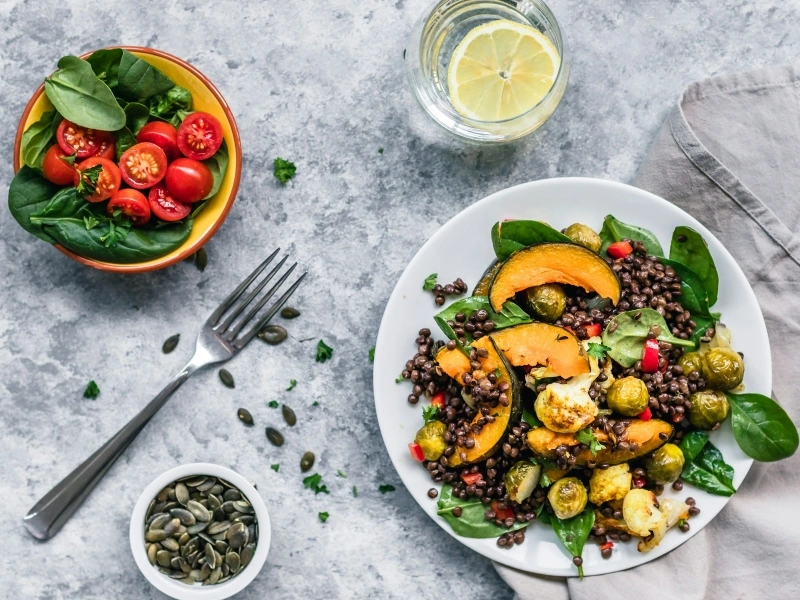
Vitamins A and D can build up to harmful levels, and unneeded iron brings risks of its own. So which comes first, the pill or the test? Ideally, the test.
How Can Yutopia Care Help You Identify And Address Nutritional Gaps?
When eating well still leaves questions, a structured assessment swaps guesswork for clear answers.
Comprehensive Health And Nutritional Assessment
Yutopia Care is a functional and integrative medicine clinic in Dubai offering individualized health assessments. Each review looks at:
- eating habits and food restrictions
- symptoms, sleep, and stress
- lifestyle and medical history
When clinically indicated, a comprehensive blood test confirms nutrient status, and food intolerance testing may be added.
Personalized Nutrition Plans Built Around Your Needs
Results become a food-first plan shaped around preferences, culture, intolerances, and real schedules. The Yutopia team also schedules follow-ups to track progress.
Vitamin Supplementation And IV Nutrient Support
When food cannot close a gap, targeted supplements may be recommended. For selected patients, IV therapy may be considered after medical review, as a supervised option rather than a quick fix.
Getting The Most From Your Nutrient-Dense Diet
Nutrient-dense foods remain the foundation, and no capsule can copy what real meals provide. Still, variety, personal needs, restrictions, and absorption decide whether every target is truly met.
The smartest order is simple: improve food first, test when symptoms point to a gap, and supplement only where needed. To see exactly where things stand, book a consultation with Yutopia Care in Dubai.
Frequently Asked Questions
What Is A Nutrient-Dense Diet In Simple Words?
It is a way of eating that favors foods rich in vitamins, minerals, protein, and fiber compared with their calories.
Can You Get All Your Vitamins From Food Without Supplements?
Many healthy adults can get most of them from varied meals. Vitamin D, B12, and iodine are the common exceptions, especially for vegans and people who rarely get sun.
What Are The Most Nutrient-Dense Foods To Eat Every Day?
Leafy greens, berries, eggs, lentils, oily fish, nuts, seeds, and plain yogurt are strong everyday picks.
Is Eating Healthy Food Expensive?
Not necessarily. Lentils, oats, eggs, frozen vegetables, canned sardines, and seasonal fruit are budget-friendly and rich in nutrients.
How Can You Tell If You Are Low In A Vitamin?
Ongoing tiredness, pale skin, hair shedding, or tingling can be clues, but they overlap with other issues. A doctor's review and a blood test are the only reliable way to confirm a deficiency.