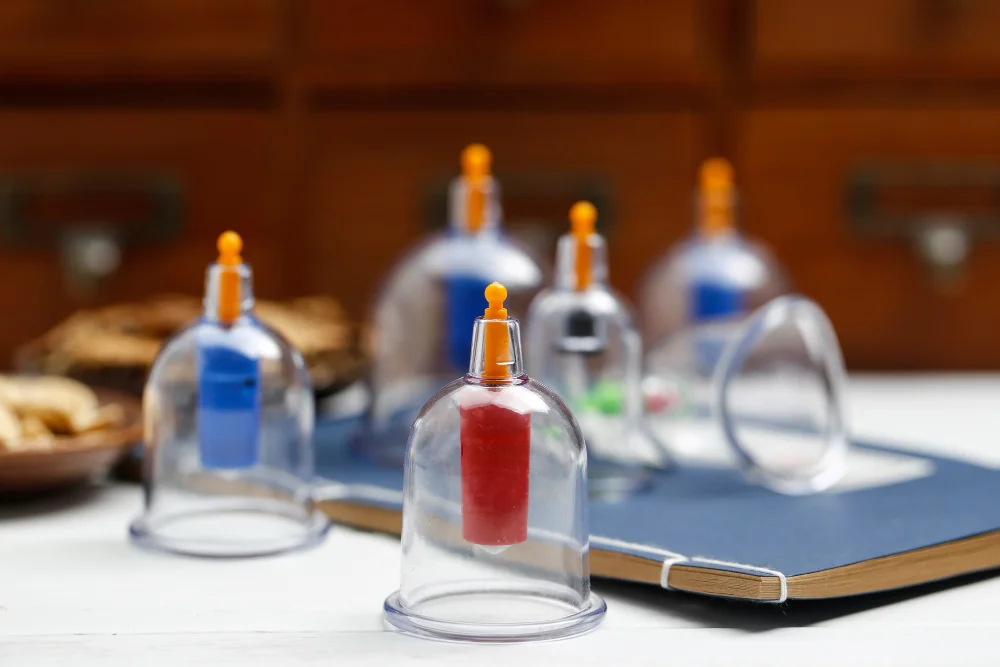
Hijama, or wet cupping therapy, has been practiced for centuries across Middle Eastern, Asian, and North African cultures. Cups are placed on the skin to create suction, followed by small superficial incisions that draw a limited amount of blood to the surface.
In Islamic tradition, it holds strong religious significance. In modern healthcare, its position is more measured - neither dismissed nor fully adopted into mainstream clinical practice.
What the therapy actually does sits between what tradition claims and what current research confirms.
Some hijama benefits have genuine evidence behind them. Others are based primarily on cultural practice and personal testimony. The distinction matters, and it's worth laying out clearly.
How the Therapy Works
Glass or silicone cups are placed on targeted points of the body, creating a vacuum that lifts the skin and underlying tissue. In wet cupping, small incisions are made after suction is applied, drawing out a modest volume of blood. Practitioners attribute the effects to clearing stagnant blood, reducing localised inflammation, and improving circulation in the treated area.
Physiologically, suction does increase blood flow to the area and stimulates the nervous system in the underlying tissue. Whether that produces the broader therapeutic outcomes often associated with hijama is where the evidence requires closer reading.
The Research Behind Hijama Cupping Benefits
Pain Relief
Pain is the area where hijama cupping benefits have the most consistent research backing. A 2012 review published in PLOS ONE examined multiple controlled studies and found statistically significant reductions in chronic pain - particularly lower back pain, neck pain, and shoulder discomfort - compared to no treatment.
The proposed mechanism involves stimulation of peripheral nerve fibers, which may alter how pain signals travel and are processed - a process that shares certain features with acupuncture. Cupping also appears to reduce local muscle tension, which further contributes to relief in musculoskeletal conditions.
This doesn't make hijama a replacement for physiotherapy or medical pain management. For some people dealing with persistent pain that hasn't fully responded to conventional approaches, it may function as a useful addition to their overall care.
Inflammation
Some research has examined hijama health benefits in relation to systemic inflammation. A study published in the Journal of Traditional and Complementary Medicine found associations between wet cupping and reductions in certain inflammatory markers in participants with chronic conditions.
The working hypothesis is that drawing out a small volume of blood may reduce the localised accumulation of pro-inflammatory compounds in subcutaneous tissue.
The studies in this area are generally small and have not been replicated at scale. A mild anti-inflammatory effect is plausible, but hijama is not a treatment for diagnosed inflammatory conditions and should not be used to replace medical care.
Blood Pressure
Some controlled studies have noted modest reductions in blood pressure following wet cupping, with researchers pointing to autonomic nervous system stimulation and a temporary reduction in blood viscosity as possible explanations.
The effect sizes are small and the evidence base is not yet sufficient for clinical recommendations. It remains an area of active interest rather than confirmed benefit.
Hijama Benefits for Skin
Hijama benefits for skin have attracted growing attention, driven largely by wellness communities and social media. Claimed effects include improved skin tone, reduced congestion, and better overall texture.
The suction used in cupping does increase blood flow to the skin's surface, improving oxygenation and nutrient delivery to skin cells. Commonly reported observations include:
- Reduced dullness or congested appearance in the treated area following sessions
- Improved local circulation that may support skin cell turnover over time
- Some reduction in inflammation-related skin symptoms in certain individuals
Research specific to hijama benefits for skin remains limited and largely anecdotal. No large-scale clinical trials have confirmed cupping as a dermatological treatment. Anyone with active skin infections, eczema flares, or broken skin should not have cupping applied to those areas.
Benefits of Hijama on Face
The benefits of hijama on face is a growing area of interest, though facial cupping differs significantly from traditional wet hijama. Facial applications typically involve smaller cups, no incisions, and a focus on lymphatic drainage and surface circulation rather than blood extraction.
Reported outcomes include reduced puffiness, more even skin tone, and softened fine lines. Lymphatic stimulation can temporarily reduce fluid retention, and consistent circulation support does benefit skin health. These effects are physiologically plausible, though not yet clinically verified through rigorous trials.
The face carries specific risks. The skin is thinner, nerves are closer to the surface, and blood vessels are more densely distributed. Wet cupping with incisions has no place on the face. For anyone considering facial cupping:
- Only work with a practitioner who has specific training in facial techniques
- Avoid application over active breakouts, inflamed skin, or any broken areas
- Treat it as a complementary aesthetic practice, not a substitute for dermatological care
Claims That Go Beyond the Evidence
Some of the claims made about hijama - that it detoxifies the blood, reverses chronic disease, or eliminates the need for medication - have no clinical evidence supporting them. These claims circulate widely in certain communities, but they are not backed by research and can cause real harm when they lead people to delay or abandon medical treatment.
A recurring concern is that some individuals reduce prescribed medication or postpone necessary medical care while relying on hijama to manage symptoms. That pattern carries genuine risk. A responsible practitioner will not encourage it.
Safety Considerations and Who Should Avoid It
Performed by a trained practitioner in a hygienic setting, hijama has a relatively low risk profile. Incisions are superficial, blood loss is minimal, and sessions are short. That said, risks exist and are worth understanding:
- Infection at the incision site if sterile technique is not properly maintained
- Bruising, soreness, or skin irritation from cup application
- Excessive bleeding in individuals with clotting disorders or those taking anticoagulant medication
- Lightheadedness or fainting, particularly in those who are dehydrated prior to the session
The following groups should not undergo hijama without explicit medical clearance: pregnant women, individuals with blood disorders, those on anticoagulants, anyone with active skin infections, and people with serious cardiovascular conditions.
Practitioner training and hygiene standards are not secondary concerns - they are what determines whether the procedure is safe or not.
An Honest Assessment
The hijama benefits supported by research are real but measured. Pain relief, mild anti-inflammatory effects, and improved local circulation are the most credible outcomes from current evidence. Broader claims around detoxification or disease reversal are not supported and should be approached with appropriate scepticism.
For those who come to hijama through cultural or religious tradition, that context carries its own meaning and does not need scientific validation to be personally significant.
For those approaching it from a health standpoint, the reasonable conclusion is consistent: hijama may complement a broader care plan, but it works best alongside conventional medical treatment, not as a substitute for it.
Frequently Asked Questions
How many hijama sessions are typically needed before results are noticeable?
There is no standardised answer - it depends on the condition, individual response, and the practitioner's assessment. For chronic pain, weekly or fortnightly sessions are common initially, tapering as symptoms improve. For general wellness, monthly sessions are more typical. Results vary, and realistic expectations from the outset matter more than a fixed number.
Does hijama hurt, and what should someone expect during and after a session?
The suction feels like firm pulling pressure rather than sharp pain. The incisions are superficial and brief - most people find them less uncomfortable than expected. Afterward, bruising and circular marks are normal and can last several days. Mild fatigue following a session is also commonly reported and is not a cause for concern.
How should someone prepare before a hijama session?
Arriving well-hydrated is the most consistently recommended step, as dehydration increases the risk of lightheadedness afterward. A light meal two to three hours before is preferable to attending on an empty stomach. Anyone on medication - particularly anything that affects bleeding or clotting - should inform the practitioner before the session begins.
Is hijama regulated, and how should someone choose a qualified practitioner?
Regulation varies by country. In some regions hijama falls under formal healthcare licensing; in others it operates within the wellness industry with limited oversight. When choosing a practitioner, asking about training background, years of experience, and sterilisation protocols is reasonable. Single-use equipment and a clean environment are baseline expectations, not extras.


