A GI-MAP test is prepared for by following the kit's collection steps closely, timing the sample around meals or symptoms as instructed, and telling the ordering clinician about any recent antibiotics, antifungals, or probiotics before collection. Reading the results means looking at each marker category on its own – pathogens, commensal bacteria, opportunistic organisms, digestive markers, and inflammation markers – rather than treating the report as a single pass-or-fail score. A raised marker on its own rarely tells the whole story; it needs to be read alongside symptoms and, sometimes, other lab work.
The rest of this article walks through what the test actually measures, how to get ready for it without guessing, and how a clinic such as Yutopia Care in Dubai fits a GI-MAP stool test into a wider gut-health picture instead of treating it as the final word.
What Is a GI-MAP Test?
A GI-MAP test is a stool-based lab panel that looks for the genetic material of bacteria, parasites, viruses, and fungi living in the digestive tract, alongside a set of markers tied to digestion, immunity, and inflammation.
People typically consider this kind of testing when symptoms have gone on for a while without a clear explanation. Common reasons include:
- Ongoing bloating, gas, or irregular bowel habits without a diagnosis
- Suspected small intestinal bacterial overgrowth or candida overgrowth
- A history of travel-related stomach illness that never fully resolved
- Autoimmune or skin conditions where a gut connection is suspected
- Reflux or indigestion that standard endoscopy hasn't explained
How does the test work?
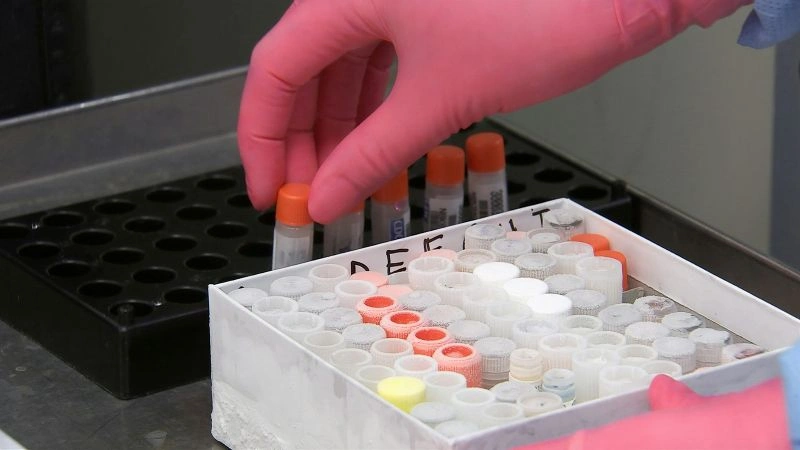
The lab technology behind a GI-MAP test is quantitative PCR, or qPCR, which searches a stool sample for specific stretches of DNA that belong to known organisms. Instead of waiting for something to grow in a dish, qPCR detects genetic fragments directly and reports how much of each organism's DNA was present. That's why a GI mapping test can flag dozens of organisms from one sample rather than testing for them one at a time – a shift that mirrors a broader move in gut-microbiome research toward molecular, DNA-based methods over the past several years, as more published studies on gut microbiota and functional bowel conditions have appeared each year since 2016.
How is GI-MAP different from culture or microscopy?
Traditional stool culture depends on growing live organisms, which means anything that dies in transit, grows slowly, or needs unusual conditions can be missed. Microscopy has similar blind spots, since a technician can only identify what happens to be visible under the lens at that moment.
A GI-MAP stool test sidesteps both problems by reading DNA directly, which is part of why this method has become common in integrative and functional-medicine settings, even though it still can't distinguish reliably between live and dead organisms in every case.
What Does the GI-MAP Commonly Evaluate?
Results from a GI-MAP test are usually grouped into categories, and each category is read differently.
A newer area of interest in gut testing is short-chain fatty acids and bile acids, which reflect how well fiber is fermented and how bile is being handled further down the digestive tract.
Some GI-MAP testing panels now include add-on options covering these markers, since bile acid diarrhea alone is thought to affect close to a third of people with diarrhea-predominant IBS – one of several reasons clinics increasingly pair a parasite and pathogen screen with digestive-function markers rather than looking at either alone.
How to Prepare for a GI-MAP Test
Preparation for a GI-MAP stool test is mostly about following the collection kit correctly and being upfront with the ordering clinician about anything that could affect the sample.
Begin with the instructions supplied with the kit
Every GI-MAP test kit comes with its own written steps, and small details matter more than people expect. A few points worth double-checking:
- Confirm whether one, two, or three separate stool samples are required, since some versions of the kit ask for samples on different days.
- Store the sample as instructed – most kits require refrigeration or a stabilizing tube rather than leaving the sample at room temperature.
- Avoid contaminating the sample with urine or toilet water, since either can interfere with the reading.
- Label and seal the collection tube exactly as shown, then return it to the lab within the stated shipping window.
- Note the collection date and time on the form, since some markers are read with that timing in mind.
Review antibiotics and antimicrobial treatment with the clinician
Antibiotics, antifungals, antiparasitic medication, and even some herbal antimicrobials can lower or hide the DNA signal a GI-MAP test is trying to detect. Most clinicians ask patients to wait a defined period after finishing these treatments before collecting a sample, and some ask that probiotics be paused briefly as well.
This is a conversation to have before ordering a GI-MAP testing kit, not after the sample has already been shipped, since a mistimed sample can produce a result that doesn't reflect the gut's usual state.
A short pre-collection checklist can help avoid the most common mistakes:
- Confirm with the clinic how many days should pass since the last course of antibiotics or antifungals
- Ask whether probiotics or high-dose herbal supplements should be paused, and for how long
- Keep the sample refrigerated as directed rather than storing it at room temperature overnight
- Ship the sample as soon as the collection window allows, rather than letting it sit
Where Can I Get a GI-MAP Test Near Me in Dubai?
Anyone searching for a GI-MAP test near me in Dubai will find that most functional and integrative clinics in the city, including Yutopia Care, can order the kit, guide sample collection, and go through the report with a clinician once results are back. Because the test is ordered through a licensed provider rather than bought over the counter, finding a GI-MAP test near me usually means booking a short consultation first, so collection instructions and any medication timing can be confirmed for that individual.
What Does GI-MAP Testing at Yutopia Care Involve?
At Yutopia Care, GI-MAP testing starts with a review of symptoms, history, and current medications, followed by kit dispensing and a walkthrough of collection steps before the sample is sent to the lab. Once results arrive, findings are discussed against the person's actual symptoms rather than read as a checklist, since a marker outside the reference range doesn't automatically mean it's the cause of a particular complaint.
That approach lines up with where gut-microbiome research itself is heading: a 2026 bibliometric review of functional bowel disorder studies published between 2016 and 2025 in Frontiers in Medicine found a steady year-on-year rise in research output and international collaboration on gut microbiota, which suggests the field is still working out exactly how individual markers should be interpreted rather than treating any single test as conclusive.
Depending on symptoms, Yutopia Care may consider pairing a GI-MAP test with other assessments, including:
- SIBO breath testing – for symptoms that suggest bacterial overgrowth in the small intestine
- Organic acid testing – for a broader look at metabolic and microbial byproducts
- Comprehensive stool testing – for markers a standard GI-MAP test may not include
- Blood testing – for markers of nutrient status, inflammation, or organ function
- Nutrient assessment – for deficiencies that overlap with digestive symptoms
- Hormone testing – where hormonal shifts appear connected to gut complaints
- Food-related evaluation – where diet appears to be triggering or worsening symptoms
Yutopia Care lists GI-MAP testing alongside these broader options on its gut-testing page rather than presenting it as the only source of clinical information, since gut symptoms – including those tied to conditions like leaky gut or inflammatory bowel disease – are rarely explained by a single test.
A Useful GI-MAP Result Begins With Correct Preparation
A GI-MAP stool test can offer targeted information about a defined set of microorganisms and intestinal health markers, but that information is only as useful as the sample behind it and the context it's read in. Getting the kit instructions right, being honest about recent medications, and timing the sample carefully all affect whether the report reflects what's actually happening in the gut.
At Yutopia Care, a GI-MAP test is treated as one part of a larger conversation rather than a final answer. Combined with clinical consultation, breath testing, blood work, comprehensive stool analysis, organic acid testing, and individualized gut-health support where appropriate, GI mapping test results can help guide next steps in a way that a single number on a page never quite manages on its own.
Frequently Asked Questions
Is a GI-MAP test worth it?
For people with ongoing digestive symptoms that haven't been explained by standard testing, a GI-MAP test can offer detail that routine stool checks don't cover, particularly around specific bacteria, parasites, and inflammation markers. Whether it's worth it for a given person usually depends on symptoms and what the clinician plans to do with the results.
How accurate is the GI-MAP test?
The qPCR method used in a GI-MAP test is generally considered sensitive and specific for the organisms it's validated to detect, since it reads DNA directly rather than relying on growth in culture. Accuracy still depends on correct sample collection and timing relative to any recent antimicrobial treatment.
Can a GI-MAP test detect parasites?
Yes, a GI-MAP stool test includes a panel of parasitic organisms and reports both presence and relative quantity when DNA is detected, which is one of the areas where this method has an advantage over standard ova-and-parasite microscopy.
Do I need a doctor to order a GI-MAP test?
In most cases, a GI-MAP test is ordered through a licensed healthcare provider rather than purchased directly, partly because interpreting the report properly usually requires clinical context about symptoms and history.
How long does it take to get GI-MAP results?
Turnaround time varies by lab, but results from a GI-MAP test typically take one to two weeks from the day the sample is received, after which a clinician reviews the report against the person's symptoms before recommending any next steps.


