A Dutch hormone test is a dried urine assessment that measures reproductive hormones, stress hormones, and their metabolites to show how the body produces, uses, and clears hormones over a full day – not just at a single moment. For anyone in Dubai dealing with tiredness that won't lift, mood swings, irregular cycles, or stubborn weight changes, this kind of testing paints a fuller picture than a standard blood panel.
Why Hormone Balance Shapes Energy, Mood, And Daily Health
Hormones influence far more than reproduction – they act as chemical messengers touching nearly every system in the body, including:
- Energy levels and daily stamina
- Mood, focus, and emotional resilience
- Metabolism and body composition
- Sleep quality and circadian rhythm
- Menstrual regularity and reproductive health
- The body's response to physical and mental stress
When even one hormone drifts out of range, the ripple effects can touch several systems at once, which is part of why hormone-related symptoms are so easy to misread. Fatigue could point to low cortisol or poor sleep. Weight changes might stem from insulin resistance or a sluggish metabolism. Irregular cycles and mood swings often overlap with several possible causes, making it hard to pinpoint what's driving things through symptoms alone.
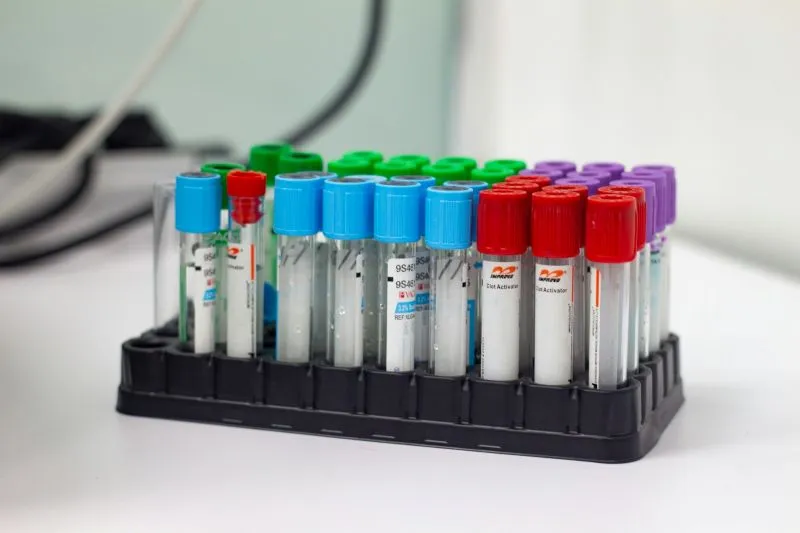
That's exactly the gap a Dutch hormone test is built to close, since it offers a detailed look at hormone patterns rather than a single number pulled from one blood draw. Yutopia Dubai's comprehensive hormone testing service uses this approach alongside guidance to help make sense of results in context.
What Is A Dutch Hormone Test And How Does It Work?
The Dutch Hormone Test – short for Dried Urine Test for Comprehensive Hormones – evaluates hormone metabolites rather than only capturing hormone levels at one point in time.
Understanding The Science Behind Dutch Hormone Testing
Dutch hormone testing works by collecting several dried urine samples across 24 hours, then analyzing both the hormones themselves and the byproducts left behind once the body has broken them down. Among the Dutch test hormones typically measured are:
- Estrogen (across its various forms)
- Progesterone
- Testosterone
- Cortisol, along with cortisone, its inactive counterpart
- DHEA
- Melatonin
This Dutch testing hormones approach exists because two people can show similar hormone levels yet process those hormones very differently – one might clear estrogen through a pathway linked to fewer concerns, while another metabolizes it through a route that warrants closer attention. A Dutch test hormone panel captures that extra layer of detail, which a simple level-only reading cannot show.
A 2025 review in the journal Biology compared laboratory methods for detecting circadian hormone markers such as cortisol and melatonin and found that metabolite-level analysis can pick up rhythm-related detail that simpler assays tend to miss.
How The Dutch Test For Hormones Differs From Standard Hormone Tests
Traditional blood work has one clear limitation: it only shows where hormone levels stood at the exact moment blood was drawn.
A standard blood draw is essentially a snapshot – useful, but limited to one point on a curve that shifts throughout the day. The Dutch test for hormones instead maps fluctuations and patterns over a full daily cycle, including how cortisol rises and falls from morning to night. This broader picture gives practitioners more to work with when building recommendations that fit a person's actual daily rhythm.
What Does A Dutch Hormone Test Reveal About Your Hormone Health?
Beyond raw numbers, the Dutch hormone test breaks results into categories that map closely to common symptoms, so patterns become easier to interpret.
Estrogen And Progesterone Balance Insights
Among the Dutch test hormones assessed here, estrogen and progesterone show how they relate across the cycle, which matters for anyone dealing with heavy periods, breast tenderness, PMS, or perimenopausal changes. The test also breaks estrogen into its metabolite pathways, adding detail a single level cannot provide. Yutopia's overview of hormonal imbalance in women covers these symptom patterns in more depth.
Cortisol Patterns And Stress Response Assessment
Because cortisol naturally rises after waking and tapers through the day, a single blood cortisol reading rarely tells the full story. Dutch testing hormones related to the adrenal system tracks that entire curve, which can highlight whether cortisol is peaking too early, staying elevated into the evening, or running low overall. A 2025 study in Proceedings of the Royal Society B examined cortisol secretion around the time of waking and found that timing and rhythm, not just isolated values, carry meaningful physiological information – supporting the case for tracking hormone curves over a full day.
Androgen And Metabolism-Related Hormone Markers
The Dutch test hormone readings for testosterone and DHEA offer insight into energy, muscle maintenance, hair changes, and skin concerns like acne. Reviewing them alongside cortisol helps build a more complete view of what's influencing weight and energy – a topic Yutopia explores further in its piece on hormone therapy and weight management.
Who Can Benefit From A Dutch Hormone Test In Dubai?
Hormone testing isn't reserved for people with a confirmed diagnosis – plenty benefit simply from understanding their own patterns better.
Women Experiencing Signs Of Hormonal Imbalance
A Dutch hormone test in Dubai is often a useful next step for women noticing:
- Persistent fatigue that doesn't improve with rest
- Irregular, heavy, or unusually light menstrual cycles
- Mood swings, anxiety, or low motivation tied to certain weeks of the month
- Sleep that feels light, broken, or unrefreshing
- Weight changes that don't respond to diet or activity adjustments
- Skin or hair changes, including adult acne or thinning hair

Women Looking For Personalized Wellness Insights
Even without obvious symptoms, some women simply want a clearer baseline before changing diet, training, supplements, or hormone therapy. A Dutch testing hormones baseline tends to be useful for:
- Establishing a starting point before beginning bio-identical hormone therapy
- Checking in after a supplement or diet change to see what actually shifted
- Tracking how the body responds during perimenopause or a major training block
- Getting a second layer of insight after a "normal" blood panel still leaves symptoms unexplained
What To Expect During The Dutch Hormone Testing Process At Yutopia Dubai
The process at Yutopia is broken into three clear stages, each designed to keep results grounded in real context rather than numbers alone.
Step 1: Consultation And Understanding Your Health Goals
The process begins with a conversation covering symptoms, lifestyle factors, and wellness goals. Reviewing personal health history matters here, since medications, supplements, cycle timing, and stress levels can shape how results should be read later on.
Step 2: Completing The Dutch Hormone Test
Sample collection happens at home using a simple dried urine method, with clear instructions for timing across the day. Once samples are dry, they're sent for laboratory analysis, where the data is compiled into a detailed hormone profile.
Step 3: Reviewing Results And Personalized Recommendations
Results are interpreted to identify patterns – not just isolated numbers – and Yutopia works through the Dutch test hormone findings with each client to explain what they mean in practical terms. Results are always weighed alongside reported symptoms, since a number on a page only tells part of the story. Clients weighing next steps can also review Yutopia's notes on when hormone therapy alternatives make sense.
Dutch Hormone Test Vs Other Hormone Testing Methods: Which Provides More Insights?
Each hormone testing method has a role, but they don't all offer the same depth of information.
Blood Hormone Tests
Blood testing remains useful for certain markers and is often the first step in a broader workup. Its main drawback is timing – a single draw can miss meaningful shifts happening earlier or later in the day.
Saliva Hormone Tests
Saliva testing measures free hormone levels and is sometimes used for cortisol tracking across a few points in the day. It typically provides less detail on hormone metabolites than urine-based methods, which narrows the picture somewhat.
Why The Dutch Test For Hormones Offers A Broader Perspective
Combining level data, metabolite data, and full-day pattern tracking gives the Dutch test for hormones an edge in scope. That said, breadth isn't certainty – results still need context, which is why the Dutch test for hormones is best reviewed with a practitioner rather than read as a standalone report.
Where To Go From Here: Personalized Hormone Support At Yutopia Dubai
Understanding hormone patterns, not just isolated levels, gives a clearer window into overall wellbeing. Fatigue, mood changes, cycle irregularities, sleep concerns, and shifting energy levels rarely have one single cause, which is why a more detailed assessment tends to be worth the extra step.
A Dutch hormone test lays out hormone levels, metabolites, and daily rhythms in a way standard testing often can't capture. For anyone in the UAE looking to move past guesswork, Yutopia Dubai's comprehensive hormone test page offers advanced Dutch hormone testing paired with guidance that connects the data back to real symptoms and daily life.
This article is for informational purposes only. For more information, call: info@yutopia.care
Or book an appointment at yutopia.care/contact-yutopia
Frequently Asked Questions
What does a Dutch hormone test actually measure?
It measures reproductive hormones such as estrogen, progesterone, and testosterone, along with adrenal hormones like cortisol and DHEA. Beyond the raw hormone levels, it also captures the metabolites created as the body breaks these hormones down, which is what gives the results extra depth. This combination helps show not just how much of a hormone is present, but how the body is actually processing and clearing it.
Is a Dutch hormone test more accurate than a blood test?
It isn't necessarily "more accurate" in every sense, since both methods use validated lab techniques. What sets it apart is the amount of detail it captures – daily fluctuation across several samples and metabolite data – that a single blood draw simply cannot show.
How is the sample collected for Dutch hormone testing?
Samples are collected at home using dried urine strips at set points throughout the day, following instructions provided before testing begins. There's no need for a clinic visit or a needle, which makes the process more convenient for people with busy schedules. Once the strips are dry, they stay stable for shipping and don't require refrigeration.
Can a Dutch hormone test help identify the cause of irregular periods?
It can offer useful clues by showing how estrogen and progesterone balance across the cycle, including whether the luteal phase looks shorter or weaker than expected. That said, irregular periods can stem from several different causes – thyroid issues, PCOS, stress, or perimenopause among them – so results are best read alongside a full symptom history and, where relevant, other targeted testing rather than in isolation.
How long does it take to get results back from a Dutch hormone test?
Turnaround time varies by lab, but results are typically available within a few weeks of the sample being processed. Once the report comes back, it's reviewed in a follow-up consultation where the numbers are explained in plain terms and connected back to the symptoms that prompted testing in the first place, rather than being handed over as a standalone document to interpret alone.


