Neither treatment turns thinning hair around overnight. When people ask about PRP vs microneedling specifically in terms of speed, PRP tends to show early signs of response sooner for some patients, since it delivers a concentrated dose of growth factors right where follicles need them. Microneedling alone usually works on a slower, steadier timeline tied to the skin's own repair process. In real practice, the more useful question isn't which one wins a race – it's which one, or which combination, matches what's driving the hair loss.
That's the part most comparison articles skip. Below: how each treatment works, the timelines involved, what recent research says, and how Yutopia Care decides which path fits a given patient. Two names come up constantly here – microneedling and platelet-rich plasma – and people often assume one must be clearly faster. The honest answer depends on the underlying cause of the hair loss and the protocol used.
Quick Comparison: Microneedling vs PRP for Hair Growth
Here's a snapshot before going deeper.
This table already hints at why PRP microneedling vs microneedling comparisons rarely give a one-word answer. Both aim at the same goal – thicker-looking hair – through different biological routes.
What Is Microneedling for Hair Loss?
Scalp microneedling uses a device covered in fine, sterile needles that create tiny, controlled punctures. The goal isn't to injure the scalp – it's to trigger the body's own wound-healing response in a shallow, targeted layer of tissue.
How Scalp Microneedling Works
Each puncture triggers a repair cascade: growth factors are released, blood flow increases, and cells around the follicle become more active. Over repeated sessions, this is thought to support follicles that have shrunk or slowed, particularly in early to moderate pattern hair loss.
What Happens During a Microneedling Session?
A typical session involves cleaning the scalp, then rolling or stamping the device across thinning areas at a set depth. Depth, needle length, and frequency vary by protocol, part of why PRP vs microneedling comparisons across studies can be tricky – not every "microneedling" study used the same tool or schedule. Sessions are short, and most people describe the sensation as mild scratching rather than sharp pain.
What Is PRP for Hair Loss?
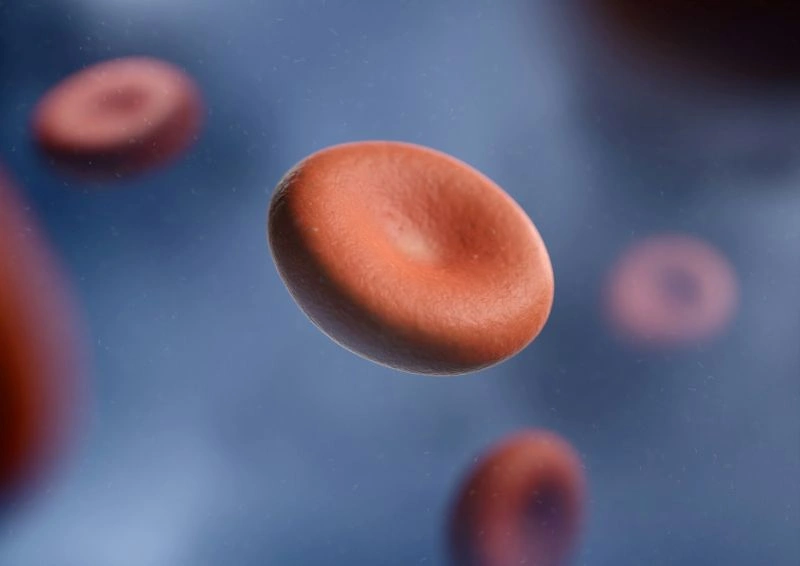
Platelet-rich plasma takes a different route. Rather than relying only on mechanical stimulation, it introduces a concentrated dose of the patient's own platelets and growth factors into the scalp.
How Platelet-Rich Plasma Is Prepared
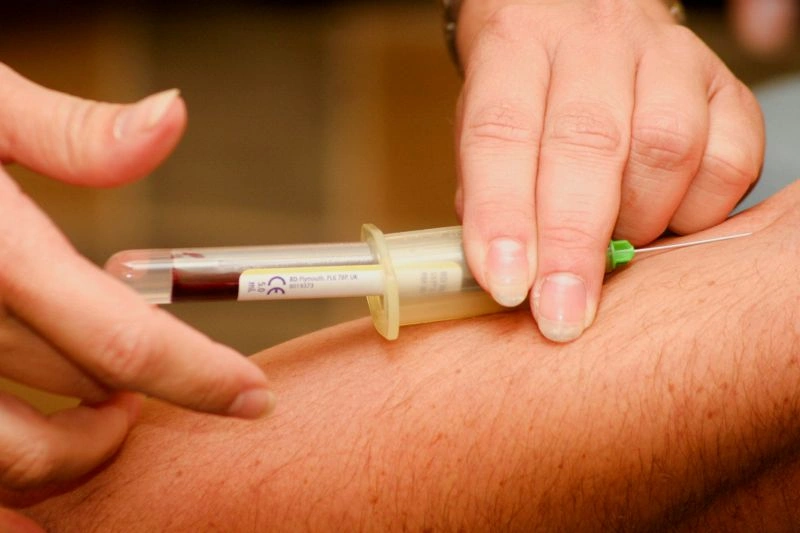
A small amount of blood is drawn, then spun in a centrifuge to separate the platelet-rich layer from red blood cells. What's left is a solution with a far higher platelet concentration than normal blood, applied or injected back into the scalp.
How PRP May Support Hair Follicles
Platelets carry growth factors involved in tissue repair and cell signaling. Concentrated and delivered near hair follicles, these factors are thought to support the follicle's growth cycle, potentially encouraging resting follicles to become active again – part of why PRP is often studied for androgenetic alopecia, where follicles shrink rather than disappear.
Why PRP Results Differ Among Clinics
Not all PRP is prepared the same way, one reason a PRP microneedling vs regular microneedling comparison can vary from clinic to clinic. Platelet concentration, number of centrifuge spins, and injection depth all vary by provider – one reason research comparing microneedling vs microneedling with PRP doesn't always agree, since the "PRP" arm in one study may not resemble the "PRP" arm in another.
Microneedling vs PRP: Which One Usually Works Faster?
This is the question most people actually want answered.
Why Neither Treatment Produces Instant Hair Growth
Hair grows in cycles, and follicles need time to shift from resting into active growth before any visible change shows up. Even a treatment working well behind the scenes may not produce anything visible for weeks. Anyone comparing PRP microneedling vs regular microneedling and expecting a dramatic change within days is likely to be disappointed, regardless of which one they pick.
When Microneedling and PRP Results May Begin to Appear
Because microneedling relies on a gradual wound-healing process, changes tend to build slowly across a full course of sessions spaced weeks apart. PRP is sometimes reported to show earlier signs – such as reduced shedding or slightly thicker strands – after a few sessions, though this varies from person to person. In practice, the PRP vs microneedling timeline gap tends to narrow the longer treatment continues, and full results generally still require several months either way.
Which Treatment May Have the Faster Early Response?
PRP has a theoretical edge in early response, since it delivers a concentrated biological signal directly rather than relying on the skin's own repair process. But faster doesn't mean better – that depends on the cause of the hair loss, which a simple PRP microneedling vs microneedling comparison can't answer on its own.
Worth keeping in mind:
- Visible improvement generally takes months, not weeks, with either treatment.
- Response varies with degree of hair loss, age, hormones, and scalp health.
- Inconsistent sessions tend to slow progress with either approach.
Microneedling with PRP vs Without PRP
A related question: does adding PRP to microneedling actually change the outcome, or is it just a pricier add-on?
Research on this comparison – microneedling with PRP vs without – has grown recently, and the picture looks more encouraging for combined treatment. A 2024 meta-analysis in the Journal of Cosmetic Dermatology pooled 13 randomized controlled trials covering nearly 700 patients with androgenetic alopecia. The review found that combined microneedling therapy – paired with PRP, minoxidil, or other agents – improved outcomes compared with single-treatment approaches, across studies using microneedle depths from 0.25 to 2.50 millimeters.
A separate 2025 phase I trial in the same journal compared standard PRP injections against PRP applied through microneedling. The study followed 40 adults with androgenetic alopecia, split evenly between a PRP-injection group and a PRP-via-microneedling group, both receiving two sessions one month apart with follow-up two months later. Hair count in the injection group rose by roughly 62%, with measurable gains in hair thickness.
Three practical takeaways from this research on microneedling with PRP vs without:
- Combination approaches outperformed single treatments in several recent trials, particularly for hair count and density.
- How PRP is delivered – injected or applied through microneedling channels – can influence outcomes.
- Protocol details, like session spacing and platelet concentration, matter as much as the technique.
How Yutopia Care Can Personalize the Choice
Picking a treatment starts with understanding the patient, not defaulting to a trend.
Begin With the Cause, Not the Procedure
At Yutopia Care, the starting point isn't "microneedling or PRP" – it's understanding why the hair is thinning. Common drivers include:
- Hormonal shifts linked to androgens or thyroid function.
- Nutrient deficiencies, such as low iron or vitamin D.
- Scalp inflammation, stress-related shedding, or genetic pattern hair loss.
These can look similar on the surface but call for different strategies. Choosing between PRP microneedling vs microneedling without understanding the cause risks treating a symptom rather than the source.
Match the Treatment to the Patient
Once the cause is clearer, the decision between microneedling, PRP, or a combined protocol gets more specific. Someone with early-stage thinning and a healthy scalp might respond well to microneedling alone, paired with topical support. Someone further along may suit PRP or a combined session instead – the classic microneedling vs microneedling with PRP decision, where it's about which version fits the person, not which sounds more advanced.
Yutopia Care's Combined Hair-Loss Approach
Yutopia Care's approach doesn't stop at the scalp. Hair health often connects to broader physical wellbeing – circulation, muscle tension, posture, and stress all play a role. That's part of why the clinic also integrates physiotherapy and osteopathy for patients who benefit from whole-body support alongside scalp treatments.
The Faster Option Is the One That Matches the Diagnosis
It's worth repeating the core point: PRP may offer a stronger, concentrated biological stimulus short-term, while microneedling provides steady, controlled mechanical stimulation that builds over time. Neither is universally faster for every patient, and framing the decision purely as microneedling vs microneedling with PRP misses the more useful question – what's actually causing the hair loss, and which tool addresses it most directly?
At Yutopia Care, the most effective plan might involve microneedling, PRP, both together, or a different strategy, depending on the patient's condition and how their scalp responds. Speed matters, but only when paired with the right diagnosis.
Frequently Asked Questions
Is PRP better than microneedling for hair loss?
Neither is universally "better." PRP delivers a more concentrated biological stimulus and may show earlier signs of response, while microneedling offers a lower-cost, simpler option with a more gradual pattern of change. The right choice depends on the cause and stage of hair loss.
Can microneedling and PRP be done together?
Yes. Combining the two is common in clinical practice, and recent research suggests combination protocols may outperform either treatment alone, though results vary by protocol and response.
How many sessions are needed before seeing results?
Most protocols involve multiple sessions spaced weeks apart, with a fair evaluation typically requiring several months rather than one or two visits.
Does PRP hurt more than microneedling?
PRP involves a blood draw and injections, which can cause more tenderness, swelling, or bruising than microneedling, which usually causes only mild redness.
Is microneedling with PRP worth the extra cost compared to microneedling alone?
It depends on the case. This is really a PRP microneedling vs regular microneedling question at its core: some trials show a meaningful benefit from adding PRP at certain stages, while others show modest differences – which is why a personalized assessment matters more than a general rule.


